Necessary Plumbing Installation Services: How to Decide on the Perfect Plumbing Expert for Your Home
Selecting the right plumber for a home can be a challenging task. Homeowners must consider various factors, including credentials, experience, and costs. Many miss essential steps, which can lead to expensive errors. Comprehending common plumbing issues and knowing what to seek out in a plumber is essential. What are the key attributes that truly make a plumber reliable? Investigating these factors can significantly impact ongoing upkeep and contentment.
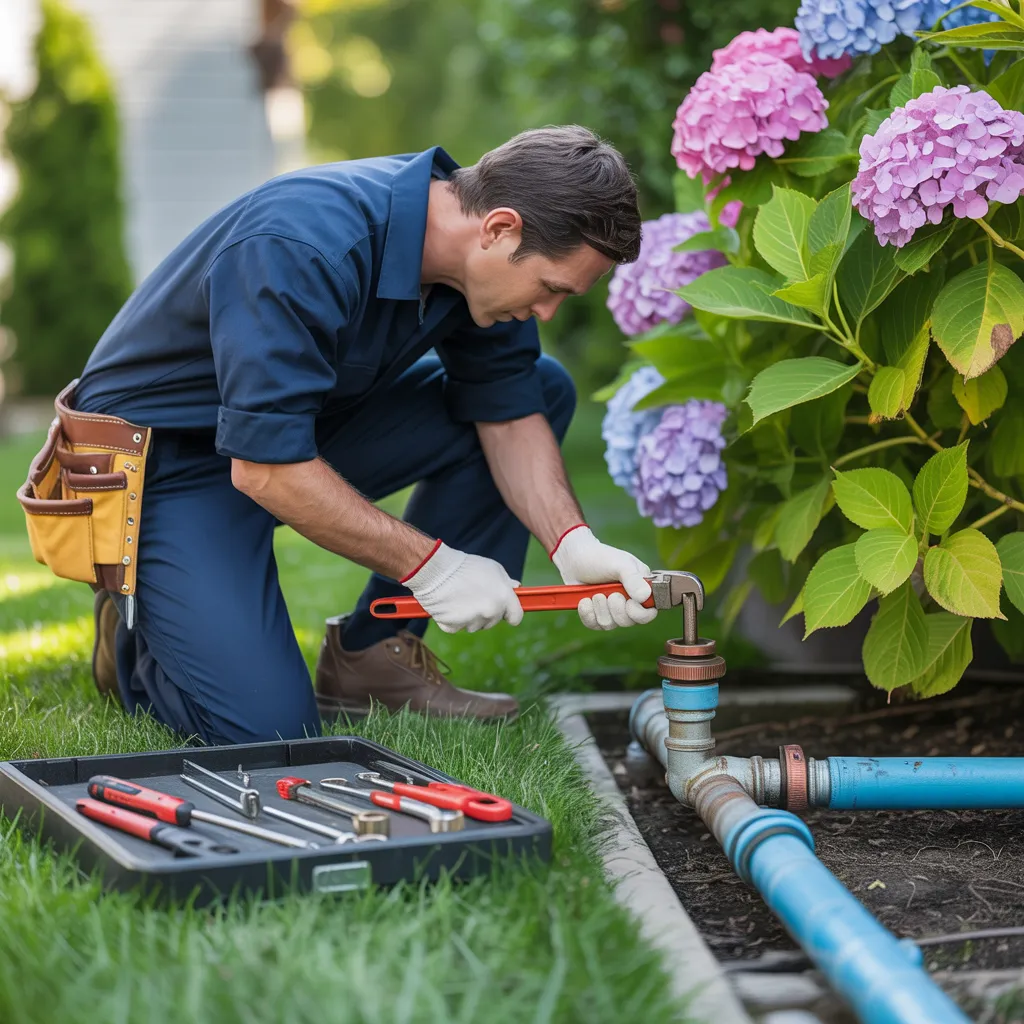
Common Plumbing Issues to Be Aware Of
Numerous residents encounter a variety of plumbing issues that can interfere with daily life. Common issues consist of leaky faucets, which not only deplete water but also cause higher utility bills. Blocked drains are another frequent issue, often caused by the accumulation of grease, hair, or foreign objects. These clogs can cause slow drainage or even overflow. Additionally, continuously running toilets consume significant amounts of water, often due to faulty flappers or fill valves. Leaking pipes can occur in both visible and hidden locations, potentially causing extensive water damage if unattended. Water heater issues, such as inconsistent temperatures or leaks, can impact comfort and convenience. Finally, low water pressure may suggest a problem with the plumbing system, affecting the overall functionality of fixtures throughout the home. Awareness of these common plumbing issues can help residents take proactive steps to maintain their systems effectively.
Essential Credentials to Search For in Your Plumbing Contractor
What essential qualifications should homeowners consider when hiring a plumber? First and foremost, adequate licensing is critical. A certified plumber has met local requirements and demonstrates a level of professionalism and expertise. Homeowners should also look for plumbers who maintain sufficient insurance, including liability coverage and worker's compensation, to protect against potential damages or injuries during the job.
Furthermore, credentials from recognized trade organizations can demonstrate a plumber's dedication to continuous learning and compliance with industry standards. Homeowners should favor those with specialized training in specific plumbing areas, such as residential or commercial plumbing.
In addition, a thorough understanding of local building codes and regulations is imperative to maintain compliance during repairs or installations. To summarize, proficient communication skills are fundamental, helping the plumber to explain issues and solutions effectively, establishing trust and understanding between the homeowner and the service provider.
Assessing a Plumber's Experience and Reputation
When evaluating a plumber's track record and standing, the length of time in business serves as a vital indicator of dependability and skill. In addition, industry qualifications can highlight a plumber's dedication to industry best practices and continuous professional development. Together, these factors provide valuable insight into the quality of service one can count on.
Span of Years in Business
A plumber's years in business can greatly affect their experience and reputation within the community. Established plumbers often have a track record that demonstrates their ability to handle different plumbing problems effectively. Longevity in the industry typically indicates a dedication to excellent work, as these experts have navigated challenges and established connections over time. Property owners should take into account the length of time a plumber has been in business, as this can provide information into their reliability and customer satisfaction. Feedback and recommendations from past clients can further illuminate the plumber's standing in the community. In the end, choosing a plumber with extensive experience can provide peace of mind, ensuring that the job will be finished professionally and efficiently.
Professional Qualifications Held
How do industry certifications boost a plumber’s trust? Certifications act as evidence of a plumber’s skills and knowledge, proving their commitment to professionalism and adhering to industry standards. Organizations such as the Plumbing-Heating-Cooling Contractors Association (PHCC) and the National Institute for Certification in Engineering Technologies (NICET) offer credentials that denote a plumber’s expertise in areas like installation and repair techniques. These certifications often require ongoing education, making certain plumbers keep up-to-date on the latest technologies and regulations. A plumber holding such certifications is more trustworthy, instilling confidence in homeowners. Therefore, when selecting a plumber, validating their certifications can offer valuable insight into their qualifications and reputation within the industry.
Why Obtaining Multiple Estimates From Plumbers Matters
Getting several estimates from plumbers is essential for making an informed decision, as it allows homeowners to compare pricing, services, and expertise. By collecting quotes from different contractors, homeowners can identify the typical price for specific plumbing tasks, preventing them from overpaying. Each plumber may offer different service packages, including guarantees, maintenance visits, or urgent assistance, which can greatly affect customer contentment over time.
In addition, getting multiple bids allows homeowners to review the qualifications and expertise of each plumber. A range of opinions can reveal the quality of service quality and customer service, allowing for a in-depth evaluation. Moreover, this process promotes competition among plumbers, often leading to competitive pricing or extra services. Ultimately, dedicating time to gather multiple quotes provides homeowners with the essential information to choose a reliable plumber who meets their needs and budget effectively.
Essential Queries to Raise When Choosing a Plumber?
When assessing possible plumbers, understanding which inquiries to make can significantly affect the hiring decision. A property owner should begin by asking regarding the plumber's licensing and insurance status, ensuring they meet local regulations and are protected against liabilities. It's also essential to ask about their experience with particular plumbing problems, such as pipe repairs or fixture installations, to determine their expertise.
Property owners should ask for recommendations from past customers to evaluate the plumber's reliability and workmanship. Furthermore, asking about coverage plans on repairs and replacements can offer reassurance regarding upcoming problems. Comprehending the cost breakdown is vital; property owners should confirm whether the estimate covers labor, materials, and possible extra charges. Ultimately, asking regarding turnaround times for emergencies can help establish if the plumber will be accessible when needed most, ensuring a reliable partnership for future plumbing needs.
Usual Red Flags in Plumbing Services
When deciding on a plumber, various warning signs can indicate problems with quality in their work. Ambiguous pricing structures can result in unexpected expenses, while the lack of proper credentials raises questions about professionalism and reliability. Identifying these red flags is necessary for making an informed decision about hiring.
Unclear Price Structures
How can property owners handle the unclear terrain of plumber costs? Unclear pricing structures can be a major warning sign when selecting a plumber. Many service providers fail to offer clear pricing quotes, resulting in surprise expenses and frustration. Homeowners should be cautious about vague quotes that miss comprehensive itemizations of work, supplies, and extra charges. A reliable plumber will deliver a detailed, line-item quote before beginning work, ensuring that homeowners understand what they are paying for. Additionally, surprise fees often surface throughout or following the work, underscoring the importance of confirming payment terms upfront. By emphasizing clear and honest cost communication, homeowners can prevent unwelcome shock costs and foster a more trustworthy relationship with their selected plumber.
Absence of Permits
Significant risks can arise for homeowners seeking plumbing services when there is a lack of proper licensing. Licensed plumbers are required to meet set training and regulatory standards, ensuring they have the required skills and knowledge. When proof of licensing is not available from a plumber, it may reflect inadequate training or disregard for industry standards. This failure to comply can result in substandard work, leading to costly repairs or safety hazards. Homeowners need to be mindful of any plumbing service that does not immediately offer licensing details. Verifying credentials through local licensing boards can help avoid potential pitfalls. Ultimately, choosing a licensed professional improves the likelihood of top-notch workmanship and peace of mind for homeowners.
Building a Positive Relationship With Your Plumber
Cultivating a solid rapport with a plumber can considerably strengthen the quality of service yielded. Transparent correspondence is key; property dwellers should state their reservations lucidly and request questions when necessary. This promotes a atmosphere of assurance, allowing the plumber to recognize the specific desires of the abode.
Furthermore, treating the plumbing professional with respect and professionalism can result in better service outcomes. Basic courtesies, such as providing drinks during extended work, can create goodwill. Homeowners should also be mindful of timing and provide access to work areas, which can enable more efficient work.
Additionally, consistent maintenance plans can enhance the rapport, confirming the plumber understands the home's plumbing system. Ultimately, see this sharing feedback, whether it's encouraging or developmental, supports plumbers better their services and fosters a team-based dynamic. Preserving open lines of interaction in the end serves both parties, resulting in dependable, superior plumbing solutions.
Commonly Raised Questions
How Do I Know if My Plumbing Issue Is an Emergency?
A plumbing issue is deemed an urgent situation if it includes uncontrollable leaks, sewer backups, or substantial water harm. Prompt action is necessary to avoid further complications and ensure safety and functionality within the residence.
What should I do before the plumber arrives?
Before the plumber shows up, the homeowner should remove obstacles around the plumbing issue, gather relevant information about the problem, and turn off the water supply if necessary to prevent further damage and facilitate repairs.
Are Pipe Warranties or Warranties Important?
Plumbing warranties or guarantees are important as they provide assurance of superior craftsmanship and quality parts. They safeguard homeowners from unexpected expenses, ensuring that fixes or substitute work are covered if issues arise after work is finished.
Should I try basic Plumbing work on My Own?
Yes, minor plumbing repairs can often be performed by dwelling owners. Standard jobs like fixing leaks or unplugging drains necessitate simple tools and a little guidance. However, prudence should be exercised to avoid inflicting additional harm.
How Often Should I Schedule Plumbing Maintenance?
Annual upkeep should preferably be planned for plumbing. Routine checks detect potential issues early, ensuring proper function and reducing the risk of expensive fixes. Homeowners gain from preventative maintenance that will extend the life span of plumbing systems.